
Hammertoes
Relief and personalized care from experienced foot and ankle specialists in
South Hadley, Springfield, and Wilbraham, MA
What Causes Hammertoes
A hammertoe is more than a cosmetic concern. When a toe bends abnormally at the middle joint, it can create pressure points, pain with walking, difficulty fitting into shoes, and ongoing irritation that only gets worse without proper care. The earlier a hammertoe is evaluated and tended to, the easier it is to manage and keep you comfortable.
For over 30 years, our team at Valley Podiatry Associates has helped patients understand and treat hammertoes at every stage. We take great pride in the fact that our communities across South Hadley, Springfield, and Wilbraham rely on us for clear answers, practical solutions, and treatment plans that fit their activity levels and goals.
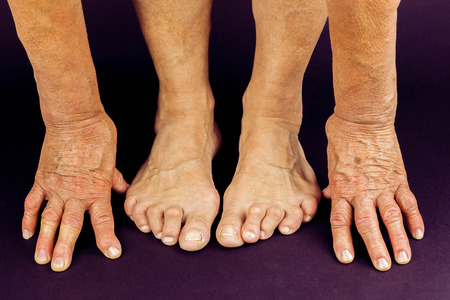
A hammertoe forms when the muscles and tendons of a toe become imbalanced, causing the joint to bend downward. This imbalance can develop for many reasons. Common causes include:
- Tight or narrow shoes
- High arches or flat feet
- Genetics and inherited foot structure
- Past injuries
- Bunions or other deformities that shift toe position
- Repetitive pressure from walking or sports
- Arthritis
Hammertoes tend to worsen gradually, which means what begins as a flexible bend can become rigid and painful over time and should not go untreated.
When Surgery Is the Best Option
If your hammertoe becomes rigid, painful, or significantly limits daily activities, surgery may be recommended to straighten the toe, relieve pressure, and restore comfort.
Surgery may be considered when:
Our board-certified surgeons use minimally invasive and advanced procedures designed to improve alignment and reduce recovery time. We guide you through every step so you feel informed and confident.
Signs You Should Not Ignore
Early treatment helps prevent the toe from becoming rigid and more difficult to straighten, so if you notice any of the following, it may be time to schedule an evaluation:
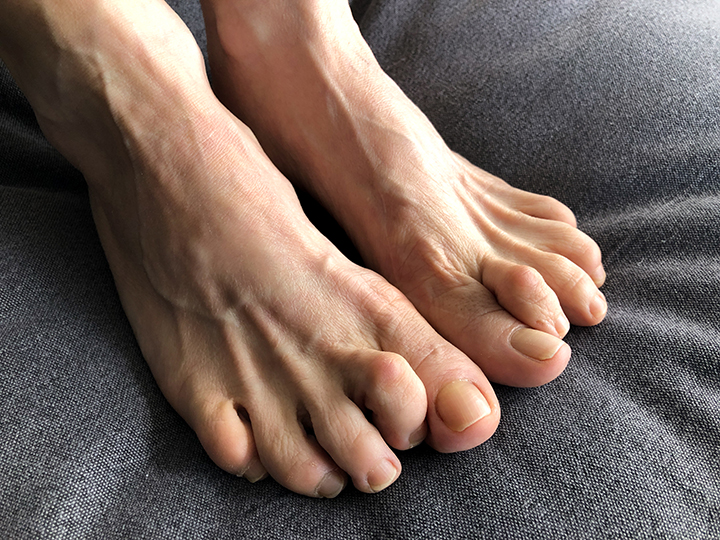
A toe that bends downward at the middle joint
Pain when wearing shoesa
Corns or calluses on the top or tip of the toe
Rubbing or irritation inside footwear
Redness, swelling, or pressure spots
Difficulty straightening the toe
Increasing stiffness over time
Signs You Should Not Ignore
Early treatment helps prevent the toe from becoming rigid and more difficult to straighten, so if you notice any of the following, it may be time to schedule an evaluation:
- A toe that bends downward at the middle joint
- Pain when wearing shoesa
- Corns or calluses on the top or tip of the toe
- Rubbing or irritation inside footwear
- Redness, swelling, or pressure spots
- Difficulty straightening the toe
- Increasing stiffness over time


What Your Visit Includes
Your appointment for hammertoes at Valley Podiatry Associates includes an evaluation of the affected toe or toes and the underlying biomechanical factors that contribute to the deformity. We assess:
- Toe flexibility
- Joint range of motion
- Foot structure and alignment
- Areas of pressure or rubbing
- Gait and muscle balance
- Skin or nail irritation caused by friction
Conservative Care Comes First
Many hammertoes can be managed without surgery, especially when the condition is diagnosed early. While we focus your care plan to your symptoms, lifestyle, and level of flexibility in the toe, our conservative treatments may include:
Conservative Care Comes First
Many hammertoes can be managed without surgery, especially when the condition is diagnosed early. While we focus your care plan to your symptoms, lifestyle, and level of flexibility in the toe, our conservative treatments may include:
- Shoe recommendations with extra depth or a wider toe box
- Padding to relieve pressure
- Custom orthotics to improve foot mechanics
- Toe sleeves or protective cushions
- Stretching and strengthening exercises
- Trimming corns or calluses to reduce discomfort
- EPAT for chronic pain related to soft tissue strain


Find Relief and Restore Comfort
Hammertoes can make walking and daily activities difficult, but you do not need to live with constant discomfort. With the right treatment plan, most patients find meaningful relief. Valley Podiatry Associates proudly serves South Hadley, Springfield, and Wilbraham with compassionate, experienced podiatric care focused on keeping you active and comfortable.
Call our office today to schedule your appointment.
Frequently Asked Questions
What causes a hammertoe to become rigid?
Over time, the tendons tighten and the joint stiffens, making the toe harder to straighten without treatment.
Can hammertoes go away on their own?
No. While symptoms can be managed, the structural deformity does not correct itself.
Will orthotics help?
Yes. Custom orthotics can improve foot mechanics and reduce pressure that contributes to hammertoes.
Do hammertoes always require surgery?
Most flexible hammertoes can be managed conservatively. Surgery is considered only when pain or stiffness becomes significant.
Should I be concerned about corns or calluses?
Yes. Corns and calluses form from pressure and friction. Left untreated, they can become painful or lead to skin breakdown.
Book An Appointment
"*" indicates required fields
Trusted by Our Patients

Vincenzo D.
07/12/2025
I was in a lot of pain and limping and the staff worked with me to get an appointment the same day. The doctor was very professional, explained why I was getting the pain and other issues, and took care of them promptly so I could walk again. Very grateful for their services and compassion.”

Marjory M.
01/04/2025
We visited Dr. Meunier for an ingrown nail. The office was quiet and organized. Staff explained the new patient process clearly. Dr. Meunier went step by step with my son because he could tell he was anxious. He was kind, gentle, and patient. Very relatable and professional. We will definitely return for our podiatry needs.

Shawn M.
05/13/2025
Dr. Meunier is great. Nice guy. Most of the staff are very pleasant and accommodating. I get reminder calls about needed referrals and appointments. I have been going to them for several years. Great place.