A Guide to Preventing Big Problems
Managing diabetes can feel like a full-time job, and it’s easy to get overwhelmed by all the “dos and don’ts.” But when it comes to your feet, a few simple, daily habits are the single most powerful tool you have for preventing serious complications.
For this blog, Valley Podiatry Associates has gathered some of the core routines and effective management strategies into a simple checklist. Think of it as your 5-minute daily self-care ritual!
1. The Daily Foot Inspection
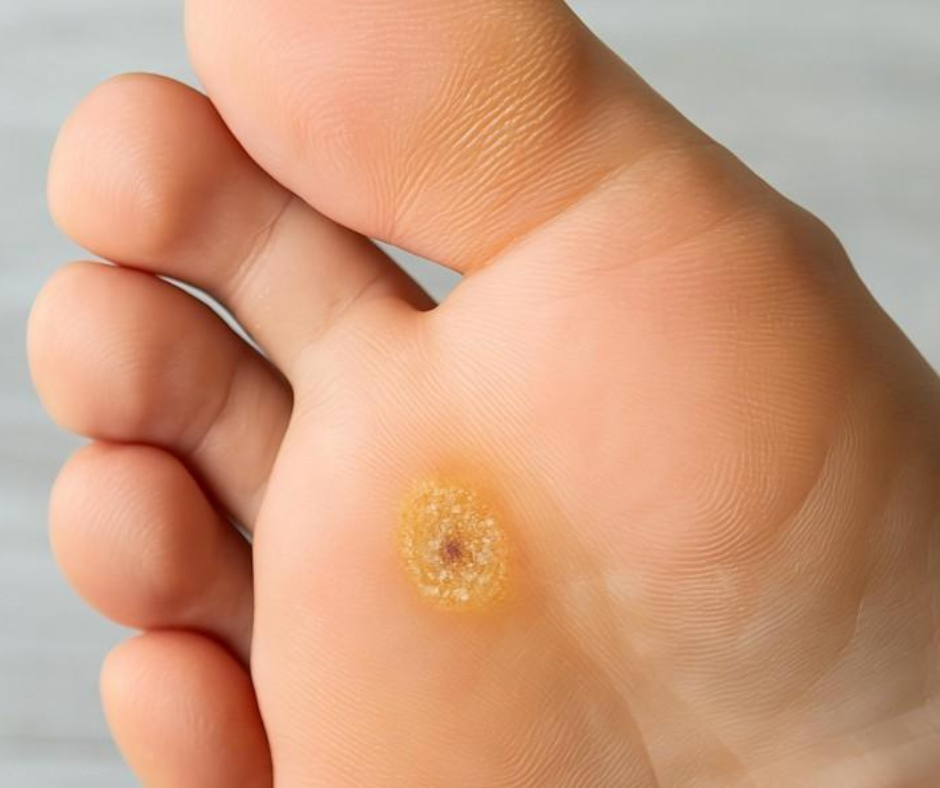
- What It Addresses: The risk of unnoticed injuries. Blisters, cuts, cracks, or ingrown nails that you may not be able to feel due to neuropathy.
- How to Do It:
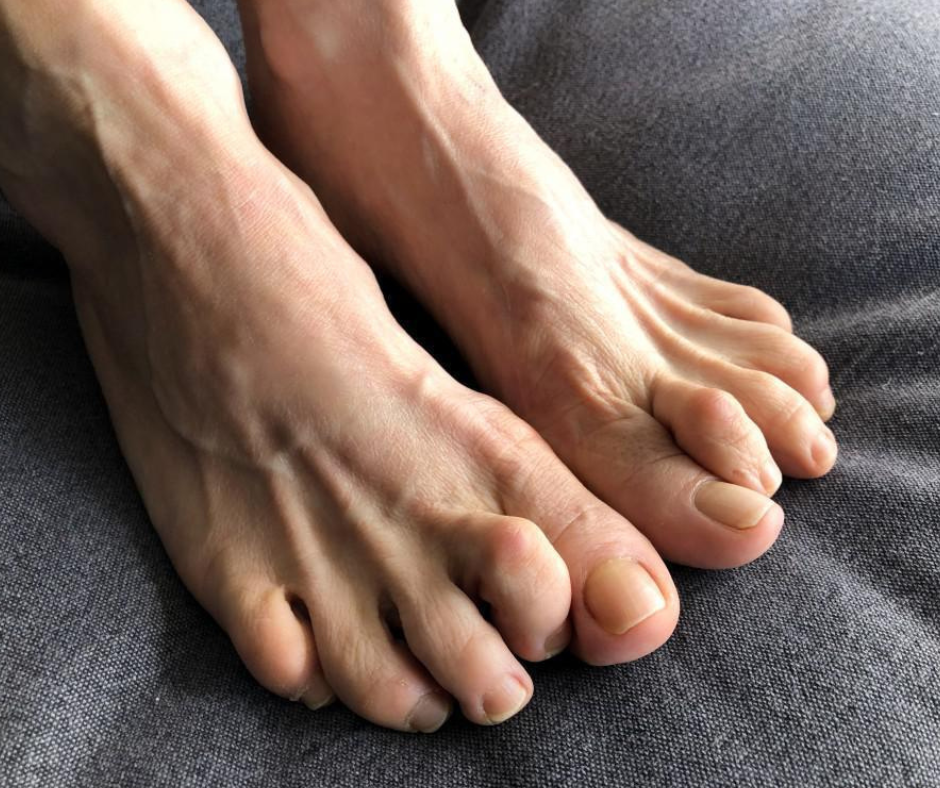
- At the end of every day, sit in a well-lit room and visually inspect every surface of your feet.
- Look at the top, bottom, heels, and between each toe.
- If you can’t see the bottom of your feet, use a long-handled mirror or ask a family member for help.
- When to Call Us: If you find any break in the skin, like a cut, blister, or puncture. Also, call for any new redness, swelling, warmth, or a sore that doesn’t seem to be healing after a day or two.
2. Proper Washing and (Thorough) Drying
- What It Addresses: Fungal and bacterial growth. Moisture trapped between the toes is a perfect breeding ground for athlete’s foot and other infections that can damage the skin.
- How to Do It:
- Wash your feet daily with lukewarm water and a mild soap.
- Never use hot water, as it can burn your skin without you feeling it.
- Most importantly, pat your feet dry with a soft towel.
- Pay special attention to drying completely between each toe.
- When to Call Us: If you have signs of athlete’s foot (itching, peeling, redness) that won’t clear up, or if you notice any changes to your toenails, which could be a fungal infection.
3. Smart Moisturizing
- What It Addresses: Dry, cracked skin. Nerve damage can also affect your body’s ability to moisturize your skin, leading to severe dryness. Cracks, or “fissures,” in your heels are open doors for bacteria.
- How to Do It:
- Apply a thin coat of a good, diabetic-friendly lotion to the tops and bottoms of your feet after they are dry.
- Crucially: Do not put any lotion or cream between your toes.
- When to Call Us: If you have deep, painful cracks in your heels that won’t heal or begin to bleed.
4. Safe Toenail Trimming
- What It Addresses: The risk of painful and dangerous ingrown toenails.
- How to Do It:
- Always cut your nails straight across, not in a curve.
- Use a clean nail clipper and an emery board to gently file any sharp edges.
- Don’t cut them too short.
- When to Call Us: If you can’t safely reach or see your own feet to trim your nails, let us do it for you. This is a common and important part of routine care.
- Definitely call us if you see any redness, swelling, or pain at the corner of a nail; this is a sign of an ingrown nail and should never be treated at home.
5. Choose (and Check) Your Footwear
- What It Addresses: Pressure, friction, and foreign objects. A poorly fitting shoe can cause a blister in hours, and a small pebble you can’t feel can cause a sore.
- How to Do It:
- Wear comfortable, supportive shoes that fit well (never too tight).
- Before you put your shoes on every single time, shake them out and slide your hand inside to check for pebbles, torn lining, or any other object.
- Wear soft, light-colored, and preferably seamless socks.
- When to Call Us: If you get a recurring blister or red spot from any pair of shoes, it’s a sign you need a different fit. This is also the time to ask us about prescription diabetic shoes, which are designed to provide maximum protection.
Don’t Wait For a Problem
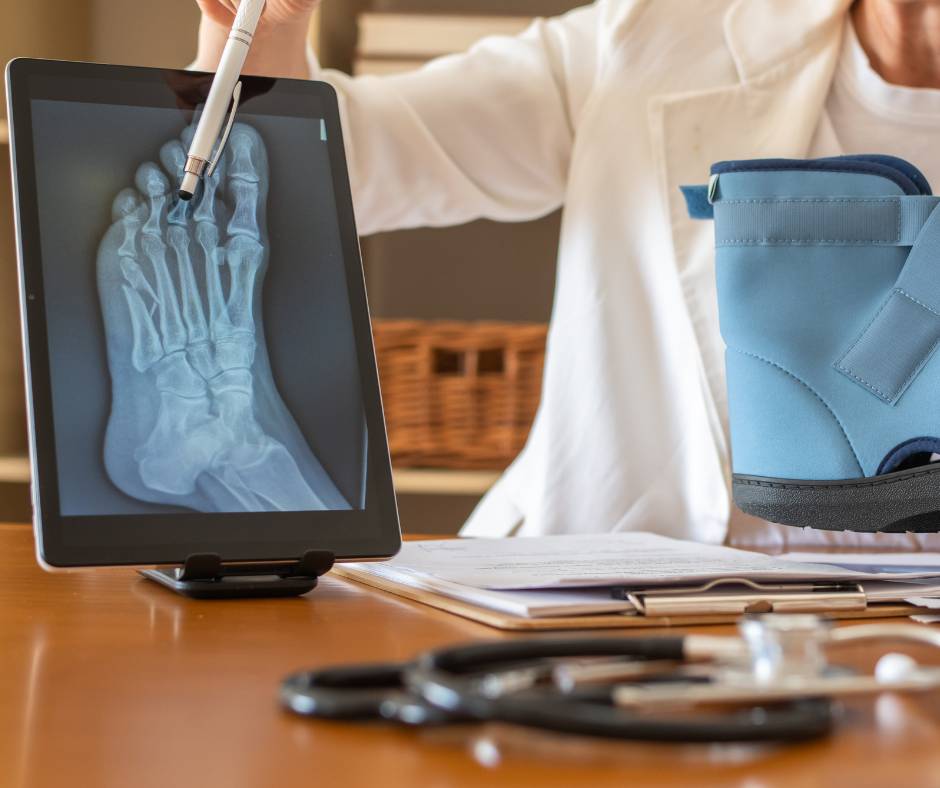
If you have diabetes, an annual foot exam is a critical part of your care. Schedule your appointment today, and together, we will find a routine that works for you.
Step Forward with Confidence. You shouldn’t have to guess when it comes to your mobility. At Valley Podiatry Associates, our mission is simple: keep you active, healthy, and pain-free. From advanced EPAT Shockwave Therapy for tendonitis to surgical solutions for severe bunions, our patient-centered team is here to educate, treat, and guide you from your first visit to your last. Call us today to schedule your comprehensive evaluation with our expert podiatrists!