
Wound Care
Advanced, compassionate treatment for foot and ankle wounds in
South Hadley, Springfield, and Wilbraham, MA
Why Foot and Ankle Wounds Need Prompt Care
Foot and ankle wounds require prompt attention, especially when they are slow to heal or linked to conditions such as diabetes, poor circulation, or pressure points. What starts as a small sore or blister can progress into a serious concern if not treated correctly? Early, expert care helps prevent infection, protect mobility, and support the healing process.
The skin and soft tissues of the feet endure constant pressure from walking, shoes, and daily activity, so when a wound develops, reduced blood flow, nerve changes, and friction can slow the healing process. For patients with diabetes or vascular issues, even small wounds can become serious quickly.
Common causes of foot and ankle wounds include:
- Diabetes related neuropathy or poor circulation
- Pressure points from footwear or deformities
- Minor cuts, blisters, or scrapes
- Trauma or repetitive stress
- Fungal or bacterial infections
- Burns or abrasions
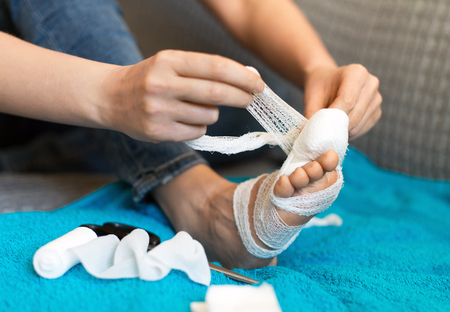
Because the fungus lives beneath the nail surface, symptoms can be subtle at first and progressively worsen over time.
Signs You Should Not Ignore
If you notice any of the following, it is important to schedule an appointment:
01
A sore that has not healed within a few days
02
Redness, warmth, or swelling around a wound
03
Drainage, odor, or signs of infection
04
Pain that increases over time
05
A callus or blister that opens and becomes tender
06
A wound on the heel, toes, or ball of the foot
07
Loss of sensation or changes in skin color
Early treatment can help prevent complications such as infection, ulcer formation, or delayed healing.
What Your Visit Includes
Your wound care appointment at Valley Podiatry Associates begins with a careful and thorough evaluation to assess:
The depth, size, and location of the wound
Skin and tissue health around the area
Circulation and nerve function
Pressure points or biomechanical factors
Signs of infection or inflammation


Effective Treatment Options for Healing and Protection
Every wound is different, so we base your treatment on its severity, your health history, and what matters most to you moving forward. Healing works best when we treat the wound itself and the reasons it developed in the first place. Your care may include:
- Debridement to remove non healing tissue
- Specialized dressings to promote proper moisture balance
- Offloading devices to reduce pressure and friction
- Custom orthotics for long term support
- Oral or topical antibiotics when infection is present
- EPAT for soft tissue healing in appropriate cases
- Footwear guidance to prevent recurrence
We work closely with you to monitor progress and make adjustments as needed to support
healing.
When Advanced or Surgical Care Is Needed
Some wounds require a more involved approach, especially when healing is delayed or when infection affects deeper tissues. Advanced care may be recommended if:
- The wound does not improve with conservative treatment
- Infection risks increase
- There is concern for bone involvement
- A structural issue is preventing the wound from healing
- Pressure points from deformities continue to cause breakdown

Our board-certified podiatrists use advanced wound care techniques and minimally invasive procedures when necessary to support safe and effective healing.
Frequently Asked Questions
How do I know if a foot wound is serious?
Any wound that does not show signs of improvement within a few days, or has redness, swelling, drainage, or increasing pain, should be evaluated promptly.
Do people with diabetes need special wound care?
Yes. Diabetes affects circulation and sensation, which increases the risk of slow healing and infection. Regular podiatric care is essential.
Can footwear contribute to wounds?
Absolutely. Tight- or ill-fitting shoes can create pressure points that cause skin breakdown. Proper footwear is important for both healing and prevention.
Will I need ongoing follow up care?
Most wounds require regular monitoring to ensure healthy healing. Your podiatrist will guide you on how often you should return.
Are home remedies enough?
Home care may help small minor injuries, but persistent or deeper wounds require professional attention to avoid complications.
Book An Appointment
"*" indicates required fields
Trusted by Our Patients

Vincenzo D.
07/12/2025
I was in a lot of pain and limping and the staff worked with me to get an appointment the same day. The doctor was very professional, explained why I was getting the pain and other issues, and took care of them promptly so I could walk again. Very grateful for their services and compassion.”

Marjory M.
01/04/2025
We visited Dr. Meunier for an ingrown nail. The office was quiet and organized. Staff explained the new patient process clearly. Dr. Meunier went step by step with my son because he could tell he was anxious. He was kind, gentle, and patient. Very relatable and professional. We will definitely return for our podiatry needs.

Shawn M.
05/13/2025
Dr. Meunier is great. Nice guy. Most of the staff are very pleasant and accommodating. I get reminder calls about needed referrals and appointments. I have been going to them for several years. Great place.