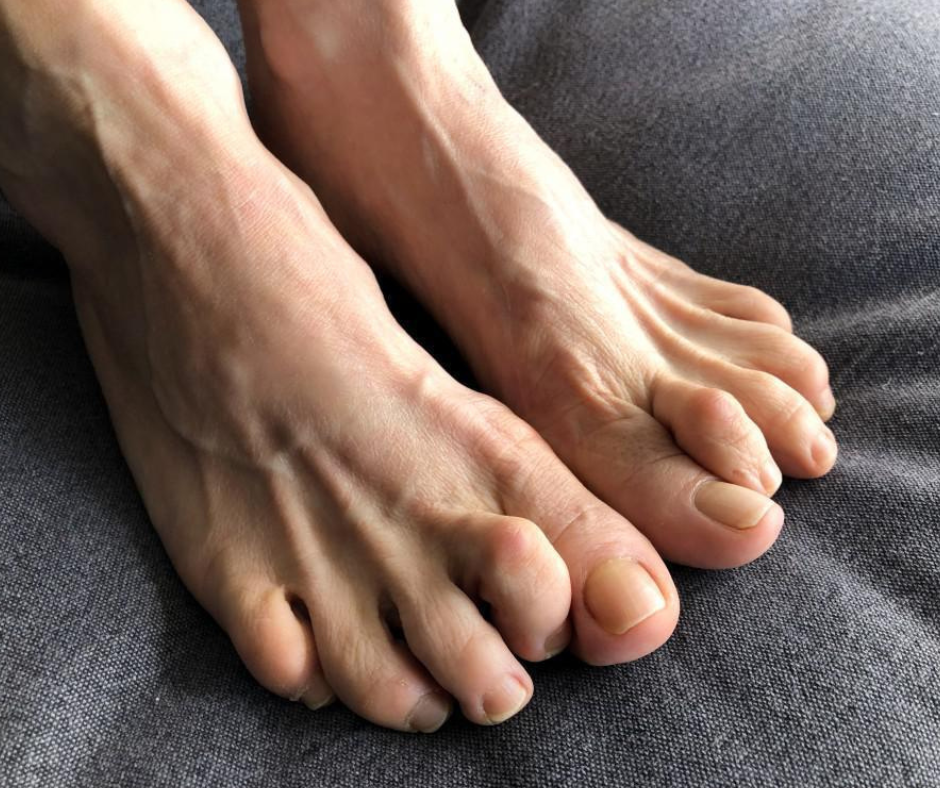
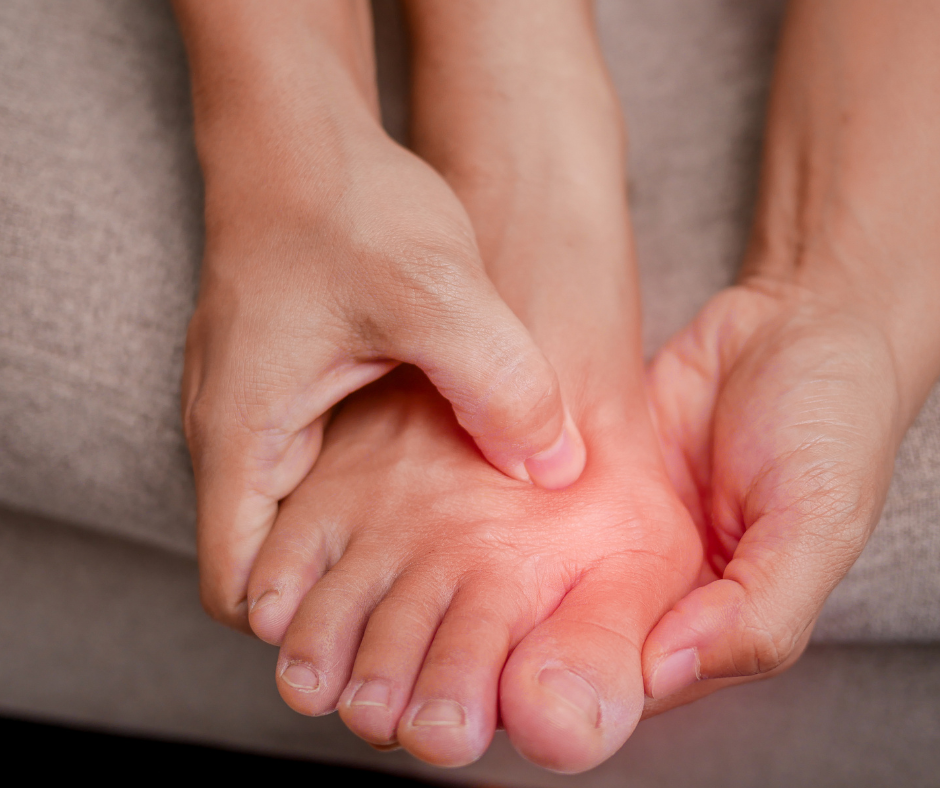
Whether you have had them since childhood or noticed your arches slowly collapsing over the years, flat feet (clinically known as pes planus) are incredibly common. But that doesn’t mean you have to live with daily fatigue, knee aches, or lower back pain!
The arch of your foot acts as your body’s primary shock absorber. When that arch weakens or collapses, the entire kinetic chain of your lower body is forced out of alignment. If you are a resident of the Pioneer Valley experiencing tired, achy feet after a long day, the team at Valley Podiatry Associates is here to help. Keep reading for our total guide to managing flat feet, from checking your symptoms to choosing the right shoes.
Quick Answer: What is the best way to manage flat feet?
How do you fix flat foot pain?
For most patients, flat feet can be highly effectively managed without surgery through conservative care.
- The fastest way to relieve arch pain, ankle swelling, and structural fatigue is by supporting the collapsed arch with prescription custom orthotics, wearing highly structured footwear, and performing daily strengthening exercises.
- Early intervention prevents long-term joint damage to the knees, hips, and lower back.
Expert Q&A: The Flat Foot Symptom Checklist
Many people with flat feet don’t realize their arch is the root cause of their daily discomfort. Ask yourself these questions to see if your foundation needs support:
Q: Do my feet feel “heavy” or exhausted after walking?
A: Yes, this is a major warning sign. When your arch collapses, your muscles and tendons must work twice as hard to push off the ground. This leads to fatigue and a deep, aching sensation in your arches by the end of the day.
Q: Am I having pain in my knees, hips, or lower back?
A: Flat feet do not just affect your feet. When your arch rolls inward (overpronation), your lower leg bone twists with it. This pulls your knees and hips out of alignment, causing severe joint pain up the kinetic chain.
Q: Are my shoes wearing out unevenly?
A: Check the bottom of your most-worn sneakers. If the rubber tread is completely worn down on the inside edge of the heel and sole, your feet are actively collapsing inward with every step.
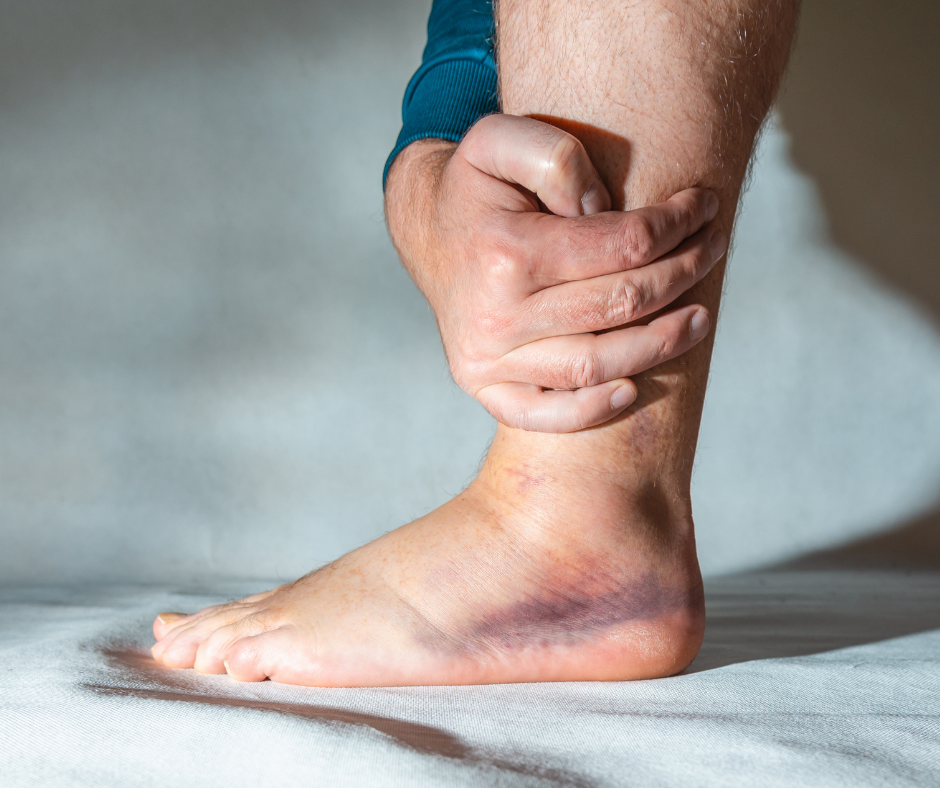
Q: Do my ankles look swollen?
A: Swelling along the inside of the ankle, especially combined with a feeling of ankle instability or difficulty balancing, means the posterior tibial tendon (the tendon that holds up your arch) is being overworked and inflamed.
(Note: If you are experiencing any of these symptoms, explore the full list of foot and ankle conditions we treat to learn more about your foundation).
Step 1: Smart Shoe Selection for Flat Feet
If you have flat feet, walking barefoot or wearing flimsy, unsupportive shoes (like flip-flops or minimalist sneakers) forces your ligaments to absorb maximum impact. To protect your arches, look for footwear with these three features:
- A Rigid Heel Counter: Squeeze the back of the shoe (the part that wraps around your heel). It should be stiff, not easily collapsible. This locks your heel in place and stops your ankle from rolling inward.
- A Wide Base of Support: Look for shoes with a slightly wider outsole to give your collapsed arch a stable platform to rest on.
- Removable Insoles: You want shoes that allow you to remove the factory insole so you can easily slide in a medical-grade orthotic without crowding your toes.
Step 2: At-Home Arch Strengthening Exercises
While shoes provide external support, you also need to strengthen the intrinsic muscles of your feet. Try adding these two quick exercises to your daily routine:
- Towel Scrunches: Sit in a chair with your bare feet flat on a smooth floor. Place a small towel under your toes. Using only your toes, grab the towel and pull it toward you. Release and repeat for a few minutes to strengthen the arch muscles.
- Heel Raises: Stand near a wall for balance. Slowly raise yourself up onto your tiptoes, hold for two seconds, and slowly lower back down. This strengthens the posterior tibial tendon that supports your arch.
Step 3: Professional, Personalized Care
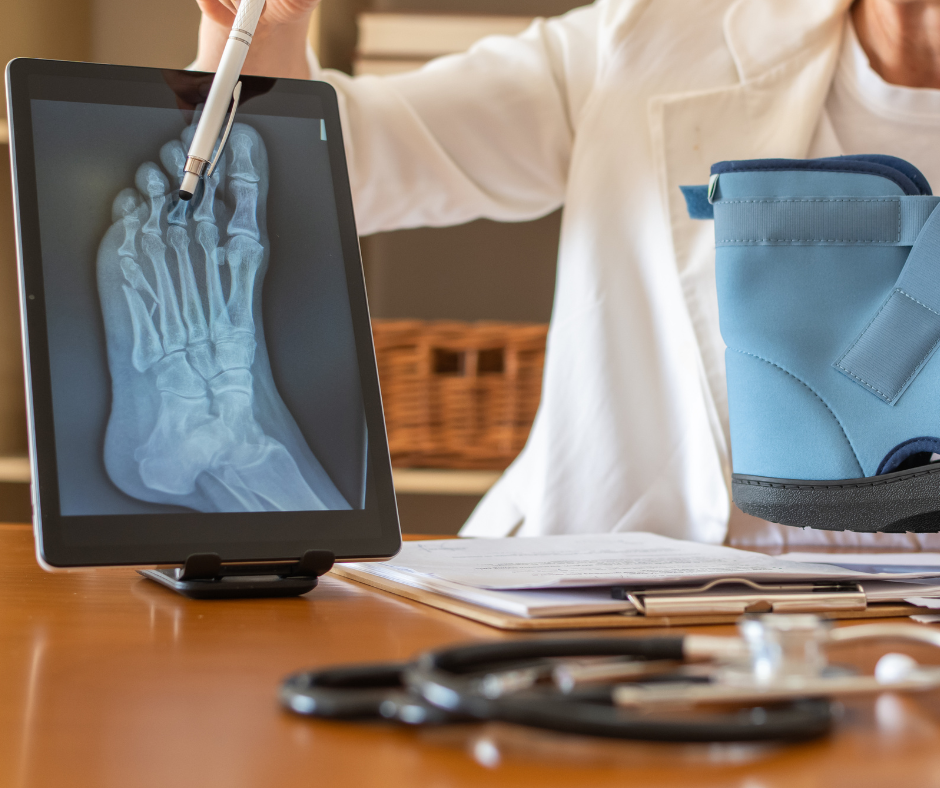
If new shoes and stretches don’t stop the pain, it is time to seek professional, conservative care.
- For most of our patients, we can eliminate discomfort without surgery.
- To correct the core structural cause of the issue, we often use custom orthotics engineered specifically for your unique foot structure.
- These inserts can properly align your lower body and relieve joint strain.
Ready to Move with Comfort and Confidence?
You do not have to live with limited mobility or chronic joint fatigue. Let us help you find the support and comfort you need.
Step Forward with Confidence. You shouldn’t have to guess when it comes to your mobility. At Valley Podiatry Associates, our mission is simple: keep you active, healthy, and pain-free. From advanced EPAT Shockwave Therapy for tendonitis to surgical solutions for severe bunions, our patient-centered team is here to educate, treat, and guide you from your first visit to your last. Call us today to schedule your comprehensive evaluation with our expert podiatrists!